Living layers in Berlin

In Berlin, the past and present of the urban landscape interweave in poignant and productive ways to transform the city of ghosts in to a city of promise.

By Eliza Apperly
Berlin

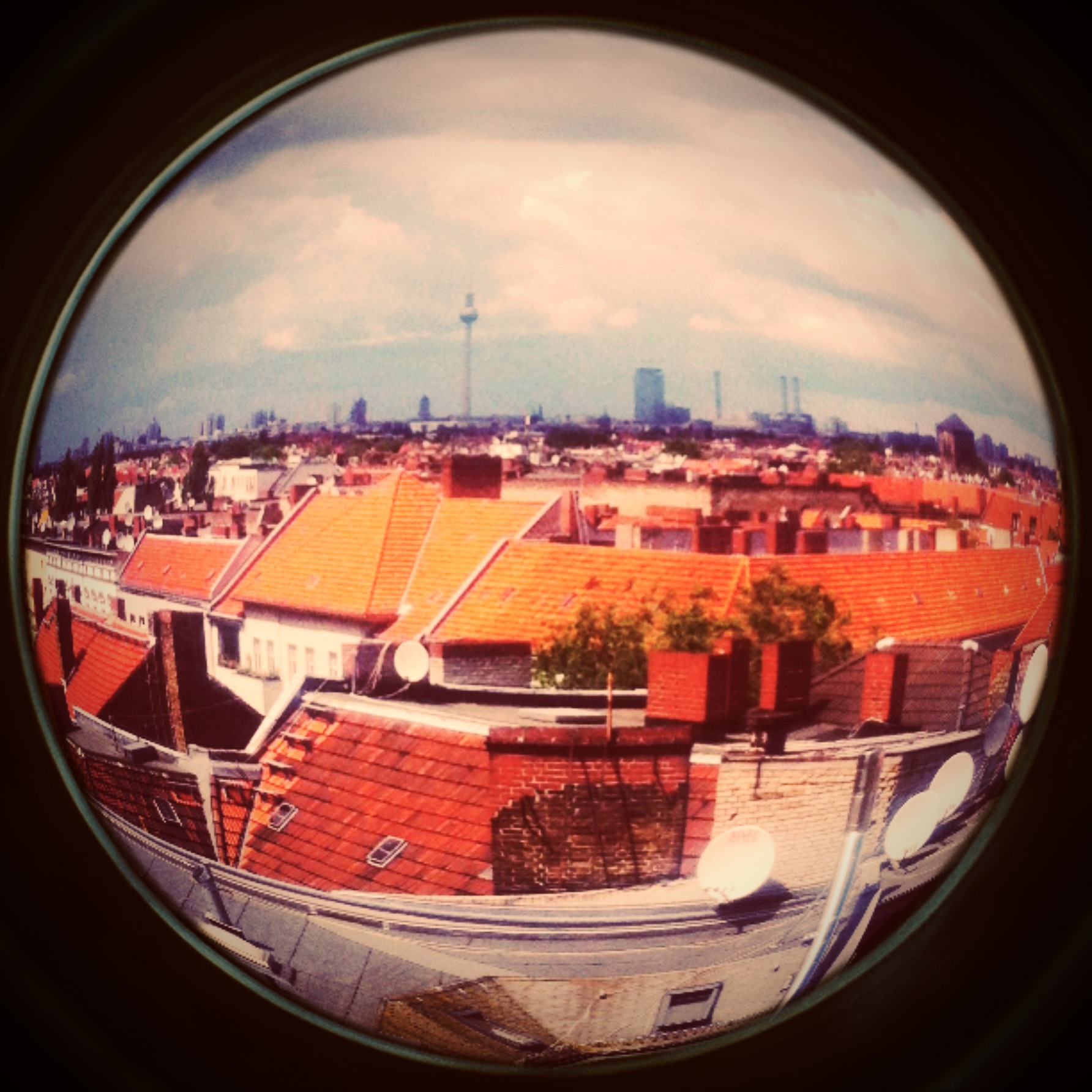
Berlin is a big city. Spanning 892km², its sense of scale is intensified by the breadth of its boulevards, the tall grandeur of West Berlin doorways and windows, the stretch of GDR-era apartment blocks, the skyward soar of the TV tower, and, above all, the vast geographical and historical reach across which actions originating in this city have rippled.

Thinking about urban experience amid this expanse, it seems the simplest way to begin is with the beginning. My day begins with Rosa, Markus, Lucie, Flora, Sonia and Georg. As I step out from sleep into the city, my very first encounter is these six names. Often, wobbly kids pedal past on their way to school. On Tuesdays and Fridays, the street is preparing for the Turkish market – steaming coffee in polystyrene cups amid the clatter of trestle tables. In winter, the sky is a suspension of grey, and sharp air whips off the icy canal around the nape of your neck. In summer, there is sunlight and swans on the water, and the air is sweet with the smell of leaves. Every day, every morning, Rosa, Markus, Georg, Lucie, Flora and Sonia are there.

Their six names are engraved in cobblestone-sized brass plaques, set in the pavement just before the front door to my building. The plaques don’t mince words. They don’t pretend to mark anything other than miniature biographies of lives cut, without exception, prematurely short.

HERE LIVED ROSA MEYER
BORN 1873
DEPORTED 19.11.1942
THERESIENSTADT
MURDERED 8.3.1943

There are thousands of these stolpersteine, or “stumbling stones” in Berlin. Conceived by artist Gunter Demnig, they each record the known name, birth, deportation and death dates of a victim of National Socialism, outside their last residence. The project originated in Cologne, and moved to Berlin in 1996, where they first came to the attention of the authorities when they impeded some construction work. Project managers wanted to have the plaques removed, but the workers on site refused. Bureaucrats came, bent over these names of the dead in the street, and the stones were retrospectively legalised.
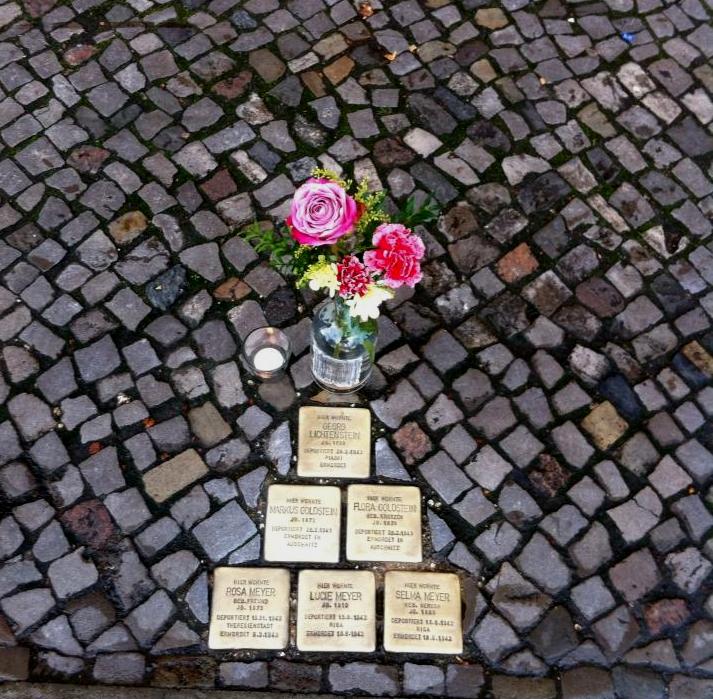
A candle and flowers placed at the Stolpersteine on the anniversary of Kristallnacht

With official approval, and widespread expansion, the project has lost none of its integrity or intent. Every single stone remains handmade. For Demnig, any element of mass-manufacture would recall the mechanised deaths of the Jewish, Sinti, Roma, gay, Jehovah’s Witness, and politically persecuted individuals whose memory he seeks to preserve. In response to some who find these plaques in the pavement undignified, Demnig suggests instead a particular poetry in having lost lives at our feet. For him, the idea is to “stumble” over the memorials not just in step, but “with your head and heart”. “One of the most beautiful pictures I find”, he explains “is this aspect that, when you want to read, you have to bow, before the victim.”

He’s right. They do. And in the middle of a busy day, on a busy street, in a busy week, an unfathomable past pierces through.
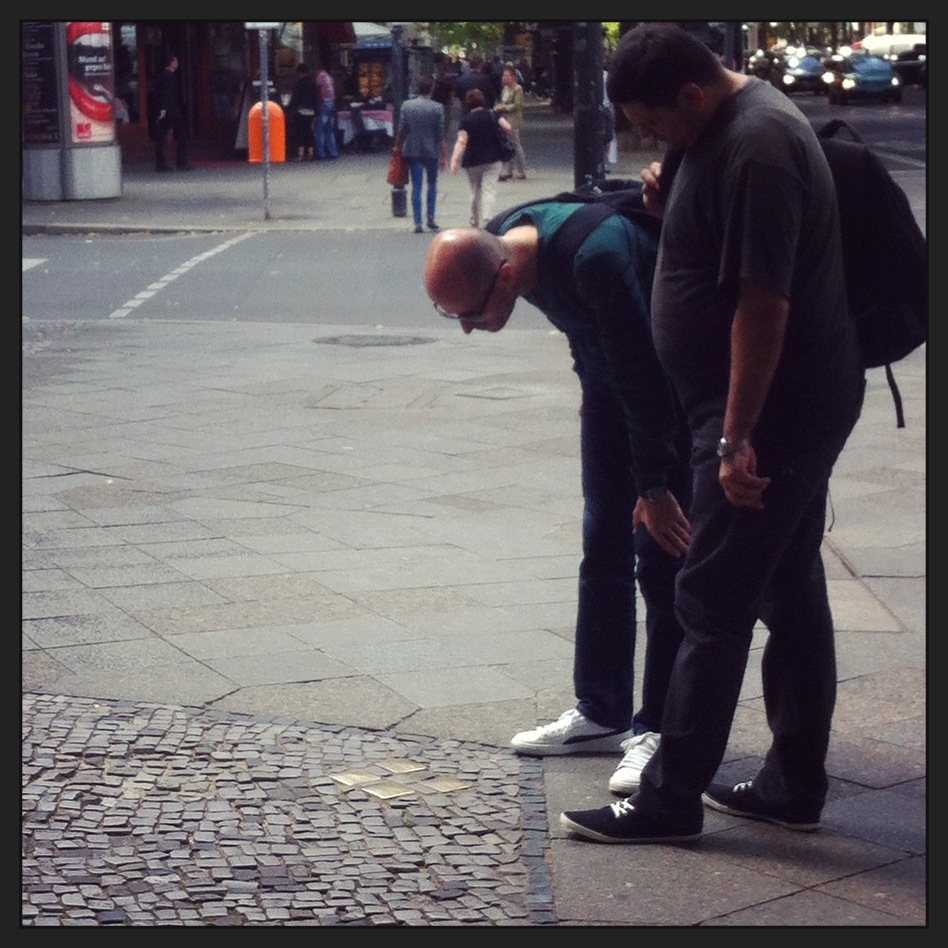
Pedestrians bow to look at Stolpersteine in West Berlin

So the daily present in Berlin begins with the past. A past, quite literally, at my feet, and a past that remains present throughout the day, and through the weeks and near year and a half that this Hauptstadt has been a new home. It’s at my door, under my wheels when I pedal to work, skirting the 19,000 square metres of Peter Eisenmann’s Holocaust Memorial; jolting over the cobble line in the road, which follows the former route of the wall between East and West; and waiting at traffic lights opposite the Topographie des Terrors, another citizens’ initiative which campaigned to save the former site of the Gestapo and SS Headquarters from redevelopment and to establish instead an “open wound in the cityscape”. The name “Topographie” was chosen, in the words of Klaus Hesse, curator of the Topographie des Terrors foundation, to disallow denial, to “find words again” out of the tangle-weed, foundations and dust.

In the capital of a nation that journalist Kate Connolly describes as “a country which like no other has painstakingly documented its misdeeds”, urban existence in Berlin is perforated by tokens, markers, memories of trauma. It is, unremittingly, a city of ghosts.
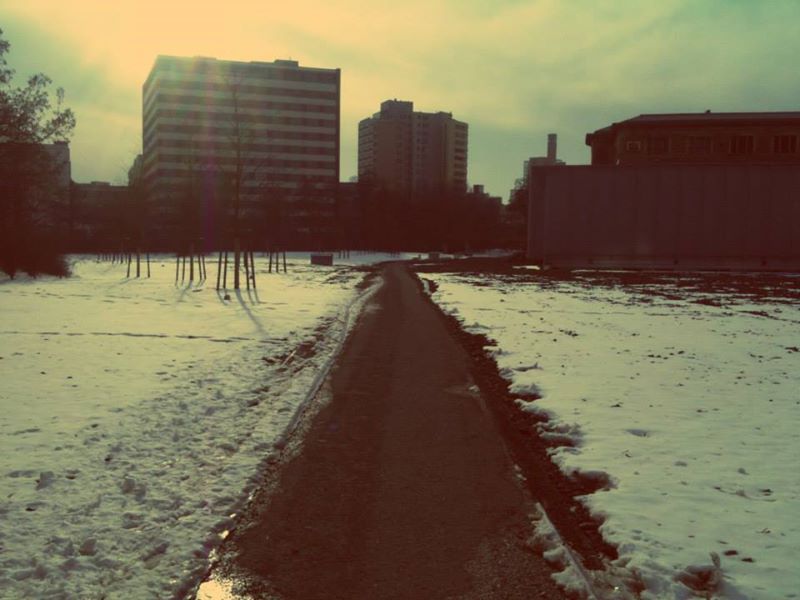
Winter view across the Topographie des Terrors

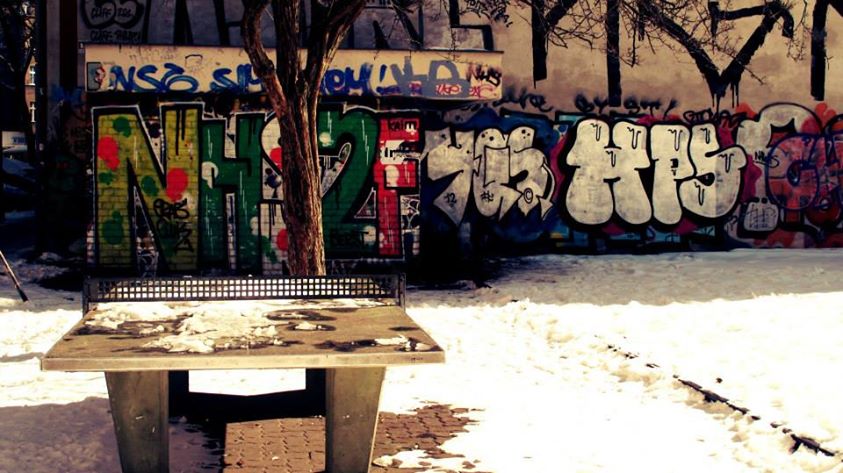
But Berlin is also a city of hope. And it is a city of freedom and imagination and art. It is a city where for every visitor come to pay their respects to the innocent dead, there are four more come to dance until dawn. It is a city of start-ups, of urban gardens, of open access symposia in old electricity stations, of installations in abandoned shopping centres. It is a city with a profound yet nonchalant acceptance of eccentricity and individualism, where there’s little point in posing, because there’s little to posture against.
4

And what seems especially particular, and particularly special, to Berlin is the way in which the ghosts and the hope, the memories and the creative moment coexist. The relationship could well be called causal: bright, artistic energy creating always on the edge of, perhaps because of, the devastation that went before, and an entrenched individualism reckoning constantly with the scars of two successive totalitarian regimes. To me, the past-present interplay is also profoundly architectural. It is the city’s space and its structures that allows for both the present moment, and the collective memory.

As the memorials excavate, erect, and commemorate what is historically past into the immediate exterior, so much of Berlin’s present is, instead, tucked away. Focal, public space and surface structure recovers a temporal past, while it is only by venturing behind facades, through dilapidated, disused space, backstreets, backyards, courtyards (most buildings in Berlin consist of a “front house”, a back-building and perhaps a side-building too, all arranged around a communal yard space), that some of the most original and exciting contemporary ventures appear.

So it’s only by taking the escalator to the top floor of the Neukölln Arcaden shopping centre, crossing into the adjoining multi-storey car park, and climbing the ramp to the roof, that one reaches Klunkerkranich, a come-one, come-all 2500 square metre expanse of cold beer, herb boxes, and soul-soaring city views.
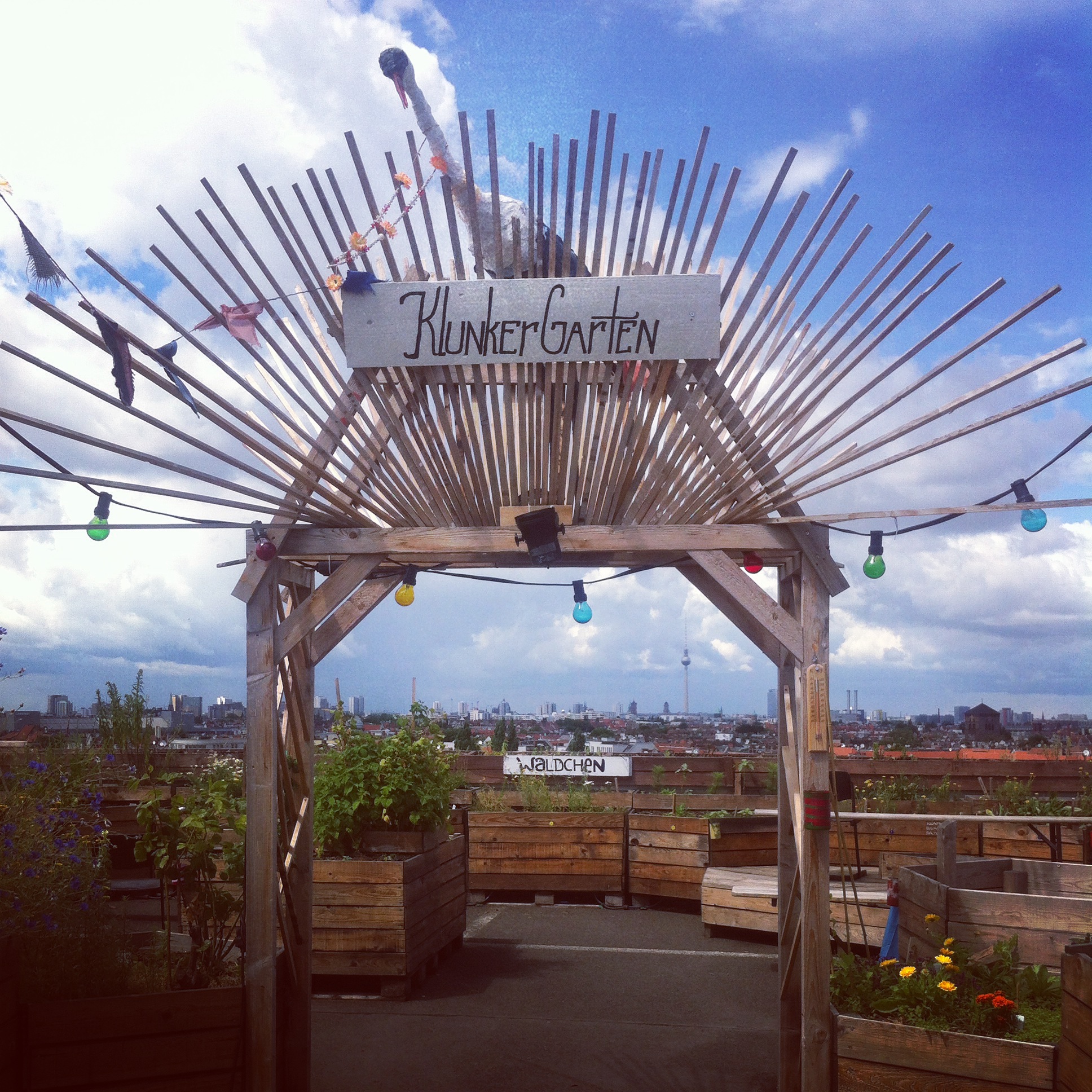
Klunkerkranich
Klunkerkranich

It’s only by peering over the fence at an unprepossessing roundabout in Kreuzberg that one finds the Prinzessinengarten, a five-year-old project launched by non-profit Nomadisch Grün, which transformed the wasteland site of a disused department store into the city’s showcase urban garden, where bees and bugs buzz, herbs and vegetables grow in raised compost crate beds, and where “children, neighbours, experts, and anyone curious” can come to learn about organic food, sustainable living, and climate. Meanwhile, back in Neukölln, in an imposing, red-brick former electricity substation, SAVVY contemporary has taken over 400 square metres to display, and foster dialogue with, non-Western fine and performance art, arranging exhibitions, round-tables, and an ever-expanding library.
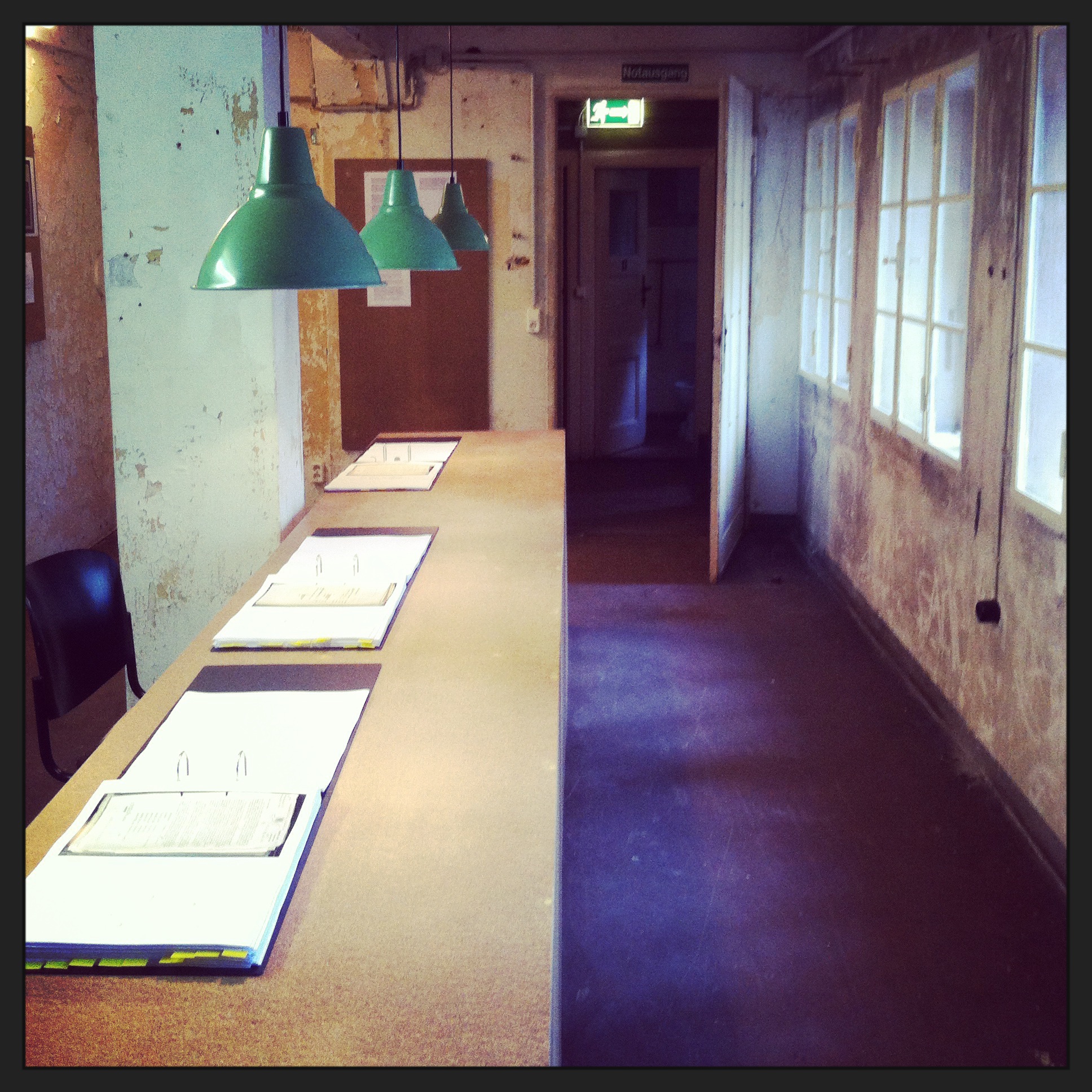
Research area at SAVVY Contemporary

Then there’s the Boros collection, one of the city’s big-name contemporary art collections, housed in a former Nazi bunker of 1.8 meter-thick walls. There’s INFARM, which has transformed a back courtyard building in a side street not far from the longest surviving stretch of the Berlin Wall into a pioneering case study in organic, non-GMO, indoor farming, with a workshop and lecture program to explain cost-effective and eco-friendly nutrition. And there’s Pfefferberg, an old brewery site in the North-Eastern district of Prenzlauer Berg, restored into a sprawling cultural and social centre, currently home to the Institute of Cultural Inquiry, Olafur Eliasson’s studio, and outdoor tango classes on sunny summer Sundays.
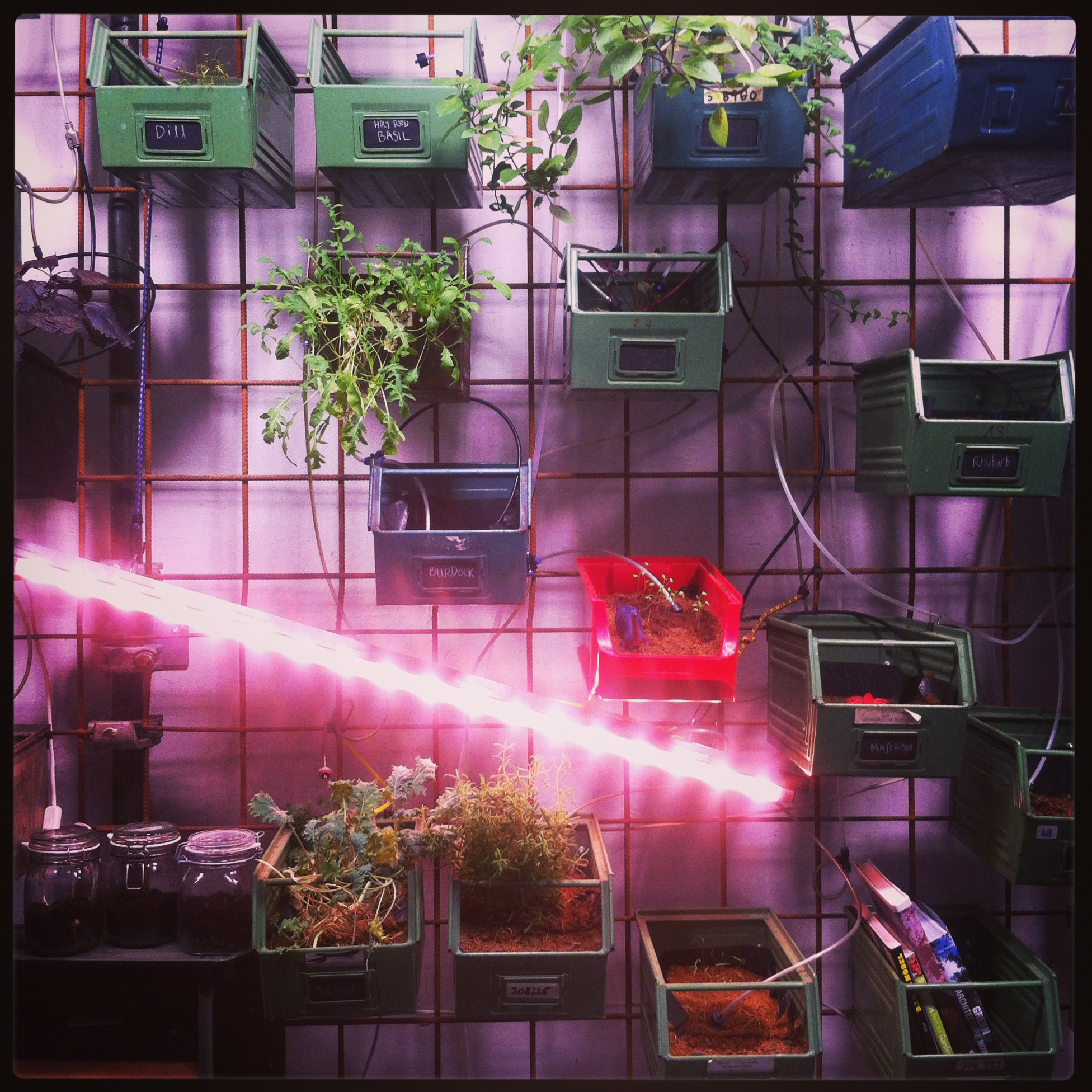
Eco-friendly urban farming at INFARM

Gardens, galleries, discussion groups, dance classes, Berlin’s contemporary energy is often as concealed as it is copious, discovered only by peering inside, behind, wandering around, or up or down. As the city lifts the temporally lost to the architectural surface, so it nurtures a creative present behind its concrete-clad facades. Being in Berlin becomes an inherently exploratory existence, an experience shaped by double discovery through time and space: past to recover, present to seek out.


Eliza Apperly has lived in Berlin since January 2013. After working as a journalist for Reuters, The Guardian, The Week and the Art Newspaper, she is now an editor for TASCHEN Books, focused particularly on art, architecture, photography and history titles.


All photos by Eliza Apperly – all rights reserved.

‘A fuzzy and fertile ground’: embedding participation in urban transformation

by Francesca Perry

British Ambassador's residence, Paris

Off the hectic Rue du Faubourg Saint-Honoré, we slip through enormous gates into a haven of peace, an oasis of great history blooming in the city. In the British Ambassador’s grand residence in Paris, dozens of academics and practitioners from France and the UK come together on a scorchingly hot day to discuss urban transformation and attempt to co-create solutions to many of the challenges our cities are facing today.

For our workshop on community involvement, we sit in the historic throne room, the sunshine from outside amplified by the luminous chandeliers. The doors open to the still gardens, the sound of live jazz wafts in to tinge our meeting with an incongruous romanticism. The Americans at the embassy next door rehearse for independence celebrations. We try to plan for better cities, together.

We are, of course, keenly aware of our own privileged setting as we discuss supporting positive urban environments for diverse communities. We listen to stories of history and the present, of people and places from around the globe. We think of process and possibilities, of failures and futures. Does ‘community’, as a static and coherent concept, even exist? It is a deeply problematic term – and one that we discover means very different things in Paris and London – but its problematised nature should not stop us from thinking about people and the environments in which they live; there are indeed multiple layers of community, a panoply of networks that interact in social and spatial ways in our cities.

But it is unfortunately rare for those needs and aspirations of people living or working in a place to be holistically embedded in the urban development process. We see places shaped insensitively by top down visions, and reactions bubbling up – as they do – in bottom up ways. But what does this hallowed ideal of ‘top down meets bottom up’ really look like? It is something that through incremental experimentation and evaluation we can hopefully arrive at; a ‘fuzzy and fertile ground’, suggests our workshop leader Dr Kevin Thwaites.

The tensions between development and gentrification crop up throughout our discussions. How do we improve areas for everyone without gentrifying them? We must first ensure that the bones and the heart of the place and the people are maintained and sustained – that is, both the facilities people use and rely on, and the existing character people value about their area. Furthermore, by embedding participation – rather than simply consultation – as a key process, by shifting the education and approach of built environment professionals from manufacturing to facilitation, by enabling and including people in change – we can begin to create, support, or even ‘edit’ better cities.

Professionals cannot simply design and build for a so-called ‘community’, but they can ensure that the right processes are in place to empower the people who live and work in an area to be actively involved in shaping and maintaining it. With participation comes co-ownership, and with co-ownership comes real sustainability – both social and environmental.

What we need designers to design in cities is in fact flexibility and adaptability. ‘Nothing will change until we change what we ask of architects,’ presses Dr Thwaites; ‘stop asking for material product, start asking for fulfilled lives.’

In these ever-changing organisms of multiple communities and multiple neighbourhoods that we call cities, we have the opportunity to start transforming our notion of value: wellbeing is surely a better leading concept for change and for design – in terms of material, spatial and social infrastructure – than other values that focus on the benefit of the few rather than the many.


Transforming Cities, Transforming Lives: Future Perspectives was an event that took place on 3 July 2014 at the British Embassy in Paris. Follow the hashtag #BE200 on Twitter to read more about the event and the 200th anniversary activities of the British Ambassador’s Residence.

Towards a leaner, greener urbanism

by Francesca Perry

Urban farm

‘The leader of any great city should encourage invention and enterprise,’ George Ferguson announced to a room packed full of urbanists. As Mayor of Bristol, spearheading numerous sustainable and community initiatives, this is something that Ferguson has tried to demonstrate in his role, attracting a flurry of media attention in his wake.

Speaking two weeks ago at The Academy of Urbanism’s Towards a Greener Urbanism Congress in Bristol, Ferguson described the importance of community engagement and experimentation, as well as making sustainability fun, diminishing fear of change, and doing things together as a city. As our world becomes increasingly urbanised, and strains on our resources reach critical levels, it is key that city leaders like Ferguson kickstart an innovative and positive approach to sustainable – and inclusive – urbanism.

Alongside great talks from people such as Ferguson, Jaime Lerner, Sue Riddlestone and Wulf Daseking, I attended a workshop focused on food resilience. As part of the Young Urbanists group I co-steer, I have been helping to organise a series of timely events on ‘Imagining the Future of Food in Cities‘ – looking at issues of production, access and consumption – and how we can collaboratively and sustainably improve our practices of all three. So it was fascinating to dig a little deeper in to the topic, linking this back to the notion of resilience in our cities, towns and neighbourhoods.

Many know the fantastic story of Incredible Edible, a community initiative started in the post-industrial town of Todmorden in West Yorkshire that campaigns for local food and grows it in participatory, accessible and creative ways. Mary Clear, a co-founder of the initiative, is not afraid to do what’s right for the community and for the environment: ‘it’s always better to ask for forgiveness,’ she said of their guerrilla food growing, ‘than to ask for permission.’ Incredible Edible’s tactics have taken seed in a number of communities across the UK and Europe, proving their motto: ‘if you eat, you’re in’.

Perhaps it is these kind of creative and communal interventions in city life that Jaime Lerner – ex-Mayor of Brazilian city Curitiba whose urban vision encompassed the Bus Rapid Transit and various green projects – advocates as ‘urban acupuncture’. Whilst large-scale developments will proliferate, they do not provide all the answers alone and often take years to come to fruition (or simply attain permission); ‘acupuncture’ in the form of meanwhile projects, public space animation or community initiatives can give cities their life and energy that we need to make them truly liveable. Furthermore, these projects can form a test bed for wider change, demonstrating the potential of community-led urbanism.

The terms ‘green’ and ‘sustainable’ may be already weathered in the dialogue about urbanism, but we must remember why the concepts are so critical: we are struggling to move away from an urbanism of excess and of harm – a way of urban living that threatens our collective future. Instead of a low-density, individualistic and consumption-heavy urban life, we need to strive for a greener, leaner (but not meaner!) urbanism, one that involves us working on mutual solutions that ensure we have a future to look forward to – not only in our cities, but in our towns, villages and countryside too, across the planet. An urbanism that is efficient rather than simply ‘sufficient’.

‘The city is our family portrait, it reflects who we are’ Lerner proclaimed in his closing speech for the AoU Congress: the more we can begin to think of cities as homes that we need to nurture, of fellow citizens as members of our wider family, the sooner we can collaboratively work towards a more sustainable, resilient urbanism. Think lean, think green – and think together.

Image Credit: TCDavis on Flickr

The urban silk route

Guest blogger Emily Parker talks about The Canning Town Caravanserai, a community-focused urban regeneration project located on a demolition site in East London that brings people together to share skills, build relationships and create opportunities

PLAYGGROUND_SWING2

When a team of architects and young volunteers set out to build the Canning Town Caravanserai on a disused brownfield site in early 2012, local residents said that their part of London was drab and unfriendly, and the most exciting place to spend time outside of their homes was McDonald’s. Young people living on the south side of the busy A13 flyover didn’t mix with those living on the north side, and older residents complained the area lacked facilities that bring people of all ages together.

The Canning Town Caravanserai project was conceived in 2011, after Ash Sakula Architects were part of a winning team in that year’s Meanwhile London competition. The three temporary brownfield sites offered up for transformation were situated along an ‘arc of opportunity’, an area between Stratford and the Royal Docks that was earmarked as the forefront of Newham’s major regeneration programme. The competition looked for ideas that would highlight the potential of the local area by attracting visitors and encouraging local entrepreneurship. The aim was to set the stage for local development whilst large construction sites lay dormant, as well as demonstrate how interim or ‘meanwhile’ uses can be an integral part of regeneration.

The inspiration for the Canning Town Caravanserai came from the medieval Silk Route inns that went by this name. These open compounds enabled travelling traders from across Asia, North Africa and southeastern Europe to rest and recover from the day’s journey: to eat, drink, be entertained and make merry. So the Silk Route Caravanserai brought diverse people together and facilitated the exchange of goods, knowledge and culture across great distances.


Theatre

In Canning Town, the Caravanserai’s aims are similar, if on a slightly smaller scale. The local population is one of the most ethnically diverse in the country, and the Caravanserai’s facilities and on-site events are designed to bring locals together and encourage them to share their great range of skills, knowledge and perspectives with each other. The various different structures, which have sprung up at the meanwhile site over the last two years thanks to hundreds of volunteers’ efforts, combine together to support this aim.

You might meet a steel pan expert over a shared community meal at the Long Table and find out he is your neighbour, cook wild nettle pesto with a fellow gardening enthusiast at the Oasis Café, offer to teach your native language to others under the sari-canopy of the Flying Carpet Theatre, or simply sit on the Mint Terrace with a cup of mint tea and people-watch. The structures themselves are beautifully designed and create a peaceful oasis in the midst of the concrete construction jungle of Canning Town, but for me, the core of the Caravanserai is its focus on building social relationships that cut through the often harsh unfriendliness of city life.

As the Caravanserai nears the end of its current lease, its challenge as a meanwhile project is to enable these social relationships to continue after the original site is lost. ‘Interim’, ‘pop-up’ and ‘meanwhile’ have become popular buzzwords in urban development over the past few years, and it is clear that temporary projects can momentarily inject energy into a disused space, but what of the long-term influence of meanwhile projects on life in the city? What if the people who are brought together by their shared use of the Caravanserai never see each other again after that chance meeting one evening at the Long Table?

Community Dinner at the Long Table

Luckily for the Caravanserai, there were many Silk Route trading inns, all of which followed the same basic idea but varied in shape and size. The answer to the question of long-term sustainability is to find new local sites to which the Caravanserai’s structures can move, or where new Caravanserais can be built. Poplar HARCA, an innovative housing association on the other side of the River Lea, has space to host the Caravanserai after the current lease ends in October 2015. The new site will be just within travelling distance for current participants, and it will also enable a new group of Poplar HARCA residents to engage with the project and forge links with people living on the other side of the River Lea.

So, as is often the case, out of a challenge has come an opportunity. Hopefully this will be the start of a network of Caravanserais that make use of slack space in the city, inspire local collaboration and exchange, and extend people’s social circles along a temporary urban Silk Route.

All Images Copyright Miguel Souto

Housing London’s Young

Why supporting and enabling young people to live in London is key. By Francesca Perry

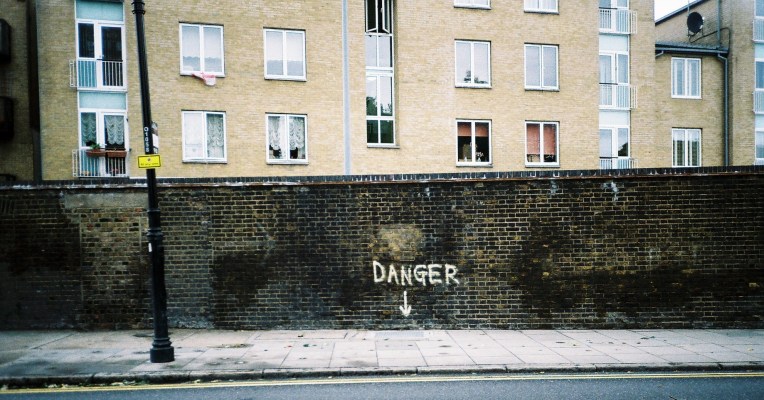
danger

A YouGov poll conducted earlier this month revealed that the majority of Londoners believe the best age to live in the city is in your 20s – but with extensive unemployment amongst young people and an increasingly exclusive housing market, is this really the case?

A clear effect of these soaring house prices and rents is to push people out of the city that cannot afford it. So-called affordable housing is beyond many people’s reach; new luxury residential developments proliferate and private rents rise quicker than most young people’s incomes – the result is that those young people facing unemployment, low-paid jobs and debt are excluded from the very city that attracted them in the first place – the city of so much promise.

This ‘exodus’ of people from London has been reported in the media recently – yet most still herald the city as the big draw for young talented people. The truth is, many seriously struggle to get their foot on the career ladder here, let alone the property ladder. The thought of buying a house has become a pipe-dream for the majority of London’s young residents. In the late 90s, the average house price was five times the average salary – now it is 10 times that, and rising.

Many either stay renting, hemorrhaging money even in the cheaper pockets of the capital, or they move out entirely. 26% of the UK’s young adult population now live with their parents – but for some this is not an option. In some cases, young people are forced by London’s unfeasible rents to choose stark and even dangerous living conditions just to stay in the city, including the so-called slums of houseboats without running water or heating, detailed in a Guardian article recently written by a young houseboat resident. What he writes reveals a reality we are all too unaware of: ‘I’ve often heard people ask how anyone can afford to live in London on low paid, insecure work. The truth is that some don’t really live at all; they merely exist, and their existence is bleak and unforgiving.’

Home‘, a play by Nadia Fall exploring young people’s experience of homelessness in London, returns to The National Theatre next month. The play developed out of a project based in a temporary supported accommodation hostel in East London for homeless young people. The project discovered that as rents rise substantially above the level of benefit young people can receive, more end up homeless and in need of shelter.

Welfare reform changes, including the Shared Accommodation Rate and the capping of Local Housing Allowance are reducing young people’s ability to access private rented accommodation. Furthermore, this accommodation can be insecure and poor quality, with landlords increasing rents with no notice. Esta Orchard, an inspiring woman behind the Home project believes that current benefit changes and reduction in supported housing for young people are more likely to lead to increased homelessness, poorer chances to gain employment and increased mental health problems.

Why has inclusivity so clearly disappeared from this city’s agenda? If we cannot sustain a city that is balanced, inclusive, supportive and enabling to all people, we are travelling down a worrying path. London’s future is cast as one of empty towers of luxury flats, homes only for the very wealthy, with public spaces and streets starved of diversity. Not to mention a hollowed economy that usually thrives from the talent and creativity of young people – the people who are being pushed out and away from these jobs.We cannot disrupt the momentum of flourishing start-ups and creative sectors so critical to our economic recovery by making the city unaffordable for the young.

So what can be done? Well, we can start by supporting alternative and more affordable models of housing. For instance, Nakedhouse is an organisation that has emerged out of the fact that young Londoners have been priced out of the property market. They build affordable, stripped-back, low-cost housing that enables people to secure their own accommodation in the city. Community Land Trusts are gaining traction in order to secure more genuinely affordable homes, including The East London Community Land Trust in Mile End. These trusts are nonprofit, membership organisations run by local people that develop permanently affordable housing and other community assets for long-term community benefit.

But we also need to see an overhaul of approaches to and policies around housebuilding, as well as structures in place to avoid rent and property prices to rise far above the realities of income. Many people recently, including London’s young residents, media platforms and politicians, have called for rent controls as a possible way out of London’s housing crisis. If such rent-regulation laws succeed in maintaining New York as a young, thriving city – why not London? In addition to this, we could do well to curb hyper-luxury developments and implement a vacancy tax. A large number of properties in London sit dormant, purchased only as investments, in the process pricing London’s residents out of their own city.

We may need to build a huge amount of housing, but this is not just a numbers game. This is about people. Economic growth is high on the capital’s – as well as the UK’s – agenda; but if we focus too much purely on the economic aspirations of the city, we may forget issues of quality of life and inclusivity in the process – and a city driven only by money is not socially – and ultimately economically – sustainable.

Young people are vital to any city and any place. They are the future generation of leaders and the current situation of housing in London is forcing many to leave. Meanwhile many do drastic things in order to afford to stay: choosing jobs they do not want, working unhealthy hours and living in poor conditions. If we don’t provide for or support our young generation now, we will be destroying our social future. But, of course, it is not only the young being disadvantaged by the housing situation – as the new Prince’s FoundationHousing London’ report concludes, this lack of affordability threatens to cripple the capacity of so many to keep London as their home. Let’s ensure that our housing responds to the diverse needs of London’s residents, and enables them to live and thrive here, for the long term.


This is an adapted version of a talk I gave at The Prince’s Foundation ‘Housing London’ Symposium to HRH The Prince of Wales on 26th March 2014.

Review: Sensing Spaces

by Francesca Perry

IMG-20140123-03771

Having attended the bloggers’ private view of the new Sensing Spaces exhibition – or rather, experience – at the Royal Academy, I thought I should summarise some thinking about it.

Much of what sparked my interest in cities centres on the experience of space and place – how it affects us emotionally and psychologically. Since then I have become more of a promoter of social urbanism and inclusive cities, but it all began with the notion of experience. Sensing Spaces, therefore, allured me in to its concept, prompting associations of psychogeography and installation art (my long-ago academic past…) I believe certain spaces take on the power to induce quite potent responses, sensations and feelings. In cities, this can help make a place magical, inspiring, calming – or oppressive, anxious or even frightening. It can connect us more strongly to the environment of which we are part.

Whilst my interest in this tends more towards everyday urban spaces, I was curious to see how a blend of architecture and installation art in galleries drenched in history could play in to this narrative. I should start by saying: it is a hugely enjoyable exhibition, one that I would encourage anyone to go to – I am delighted the Royal Academy are opening themselves up to new types of shows and creative explorations.

But in those galleries I could not quite recreate the spatial experience and feelings that ‘real’ urban places or architectural spaces give. Engaging with senses such as vision, smell and touch (as well as a certain sense of ‘presence’) in places that have life, history and purpose create quite arresting feelings, whether positive or negative. This, of course, is the basis of environmental psychology – but let this not be confused with spatial or architectural determinism.

IMG-20140123-03738

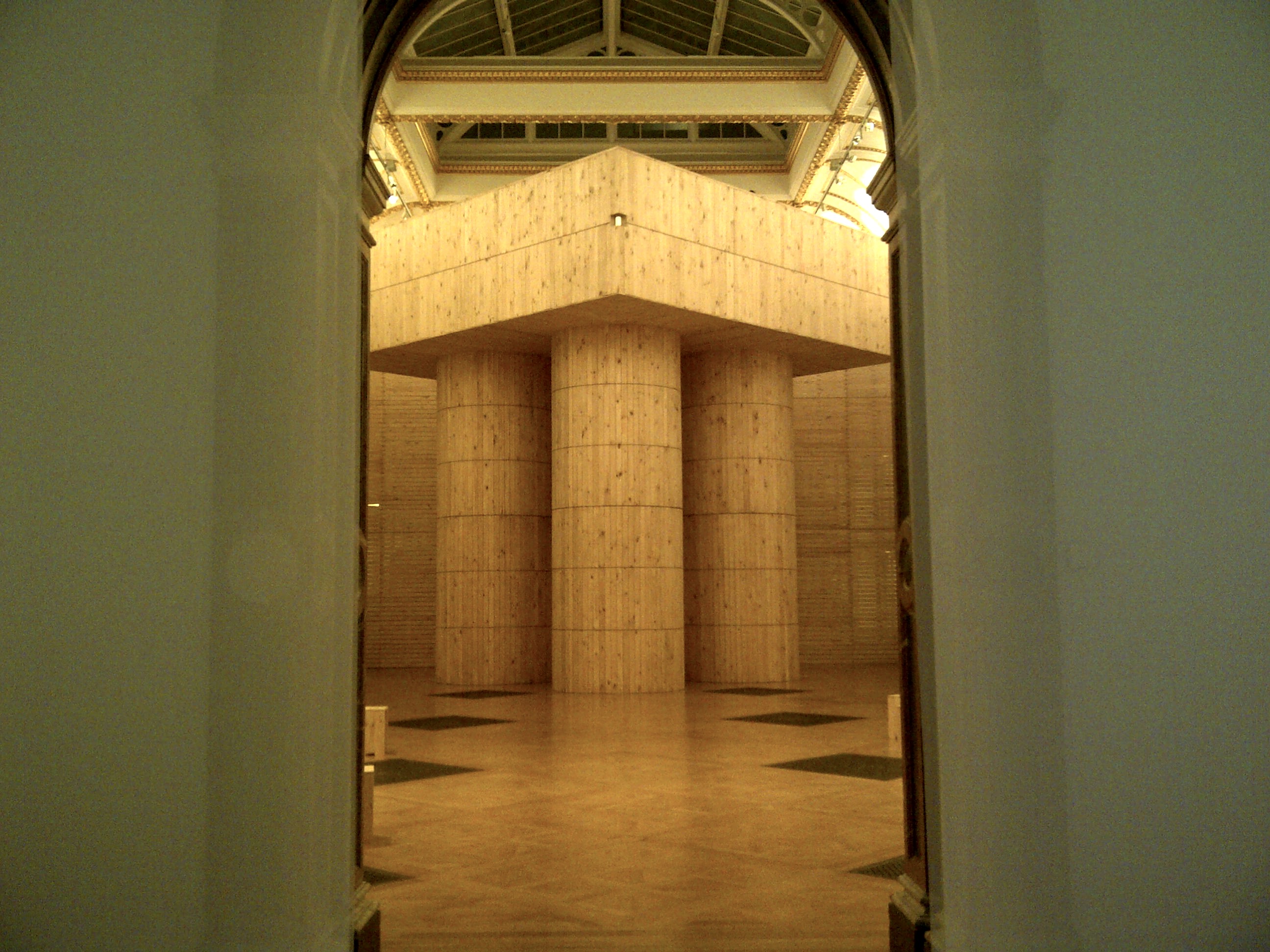
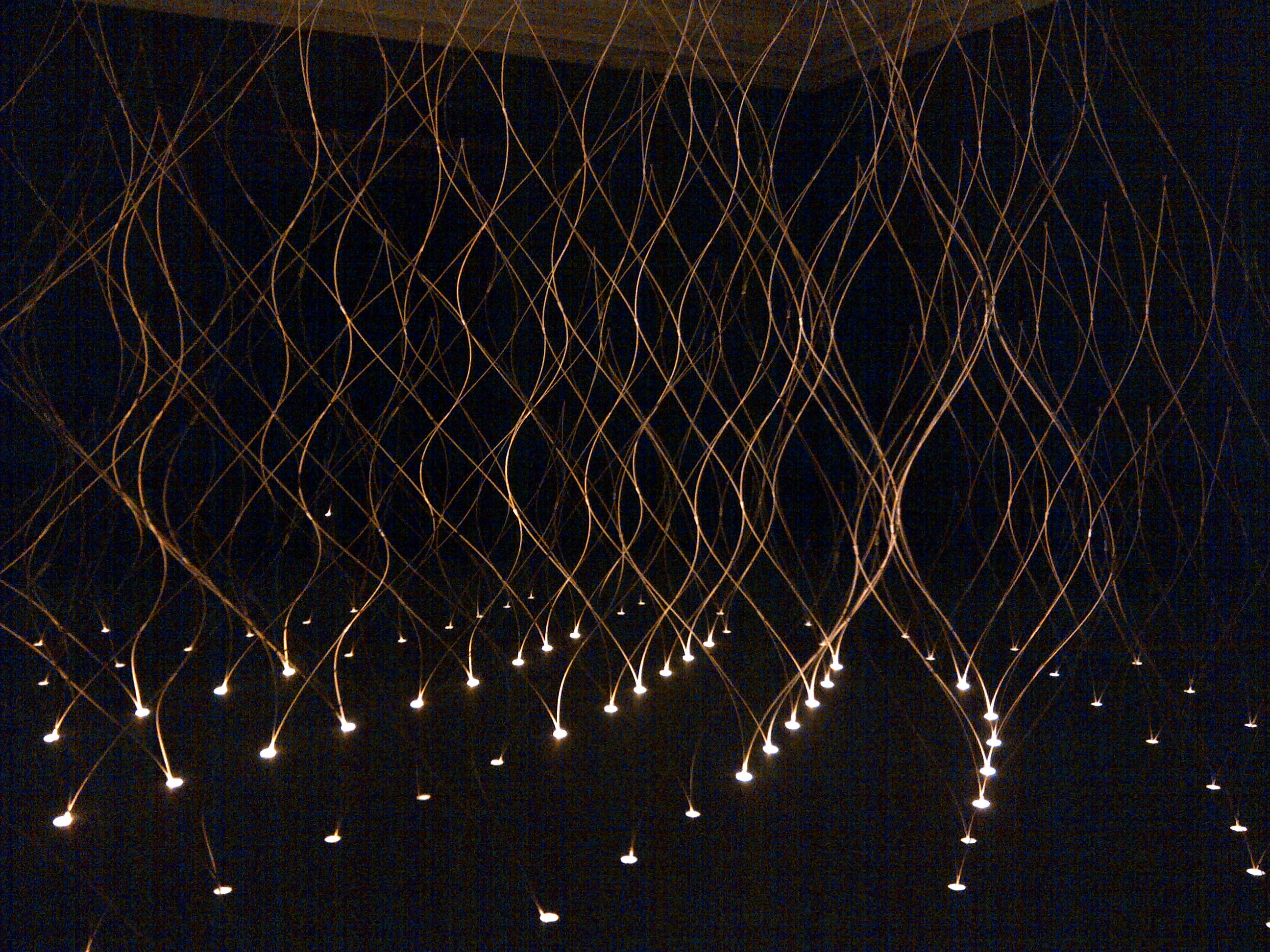
Saying this, the architectural installations were engaging and fun – such as an interactive piece resembling a cathedral of straws, by Diébédo Francis Kéré. They were also enchanting – Kengo Kuma’s delicate wooden structures in darkened rooms very powerfully played with sensory experience (the scent of hinoki wood was addictive).

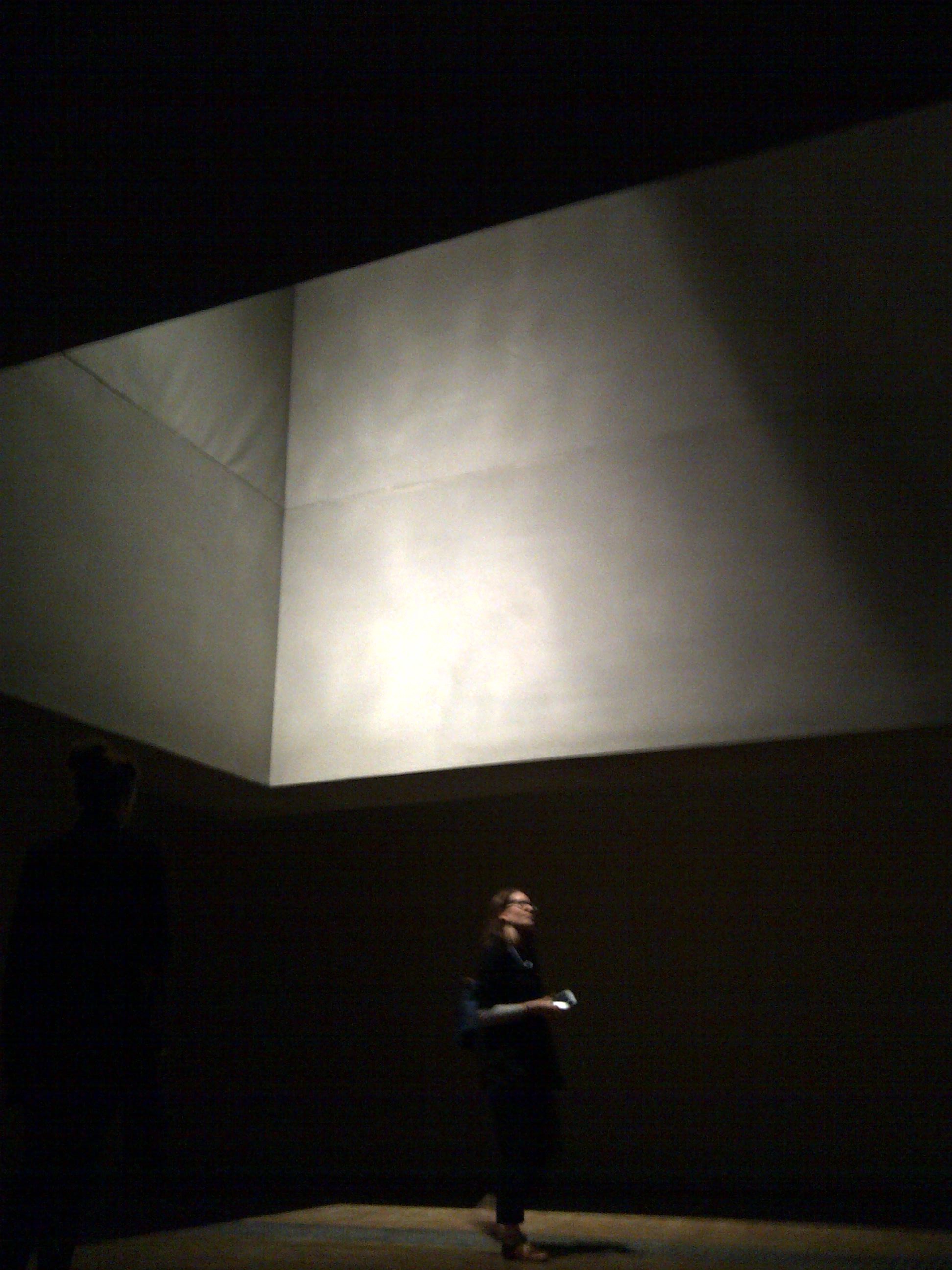
Grafton Architects’ piece used the transition from light to dark in a mesmerising yet subtle way, set off against the heavy and physical presence of their built intervention. But whilst that piece would have been immersively affective had it been in a closed off room, it suffered from having a path of gallery-goers intersect the experience. As I explored all of the installations, I felt the show was somewhat bound by its architectural basis: artists such as James Turrell produce incredible, transportative spatial encounters that I would have loved to see included.

IMG-20140123-03759

Despite the enjoyment and enchantment, I found myself craving meaning; this was somewhat satiated by Kéré’s printed quotes on the wall, which deserve to be transcribed:

‘I believe it is important to engage people in the process of building so they have an investment in what is developed. Through thinking and working together people find that the built object becomes part of a bonding experience.’

‘For me, architecture is primarily about people, about asking questions such as: who is the user? what is going to happen here? how can I respond to the users’ needs?’

It is within this thinking that the real potency emerges: the sense of space is linked in to social experience and wellbeing – how can we harness what we learn from these explorations to better build and maintain spaces for people? How can we involve them in a participatory process that informs a design that moves beyond simple aesthetics and function? I sense we are creating the space for these discussions right now.

IMG-20140123-03727

Please excuse the phone pictures!

The urban age(s): what is an age-friendly city?

by Francesca Perry

LDN

At the event that I recently organised, Future of London Placemaking, the question was asked whether London is only good for the young and the rich. Whilst sadly aware that the capital is becoming more economically exclusionary, it got me thinking more generally about age inclusivity in our contemporary cities. Are cities for the young, or more suited to middle-aged professionals? Is there a perfect age to live in a city, and are certain cities better for certain ages?

Places like London and Berlin are always characterized as ‘youthful cities’, but I have long seen them as thriving homes for a diversity of ages. The value of cities is a concentration of activity – this means increased jobs, culture and people. For children it is a great place of learning, for young adults a centre of work, for older adults a brilliant support system for professional and personal pursuits, and for retired citizens a connected hub of social and cultural opportunity. However, affordability is key here.

Cities, the perfect locations for the young professionals and families, are now beginning to squeeze them out through ever-increasing rents and house prices. I know many graduates unable to afford the London life. When I recently visited Zurich, it was clear that here is a slick and rich city that attracts those in mid-career success who are wealthy, urban and active. Cities like Berlin offer more opportunities for a wider range of ages: affordable housing, a good transport network, interactive community spaces and more of a ‘sharing’ economy. Affordable, accessible public transport will always enable a wider group of people to enjoy the city. Cars are expensive, walking is not – but both are a problem for the mobility-impaired.

A new ‘youthful cities’ index has recently been launched, ranking cities based on 16 aspects that are apparently crucial for 16-29 year olds to successfully live, work and play in a place. Toronto, Berlin and NYC came out on top, perhaps unsurprisingly. However, as John McDermott articulated in the FT, what young people want from cities is not that much different from what the overall population wants. Affordability, equal employment opportunities, inclusive design, culture, public space, parks, accessible transport and social connections are desirable for all of us.

McDermott makes the point that the median age of a Londoner continues to drop – and is currently at 34. We are, however, faced with a future where the overall population will not be as young as today. RIBA recently published a report ‘Silver Linings: The Active Third Age and the City’, which outlines that in 2035, nearly a third of our UK population will be over the age of 60, leading to a more equal distribution of age groups within our society. So, do cities need to adapt to a demographic shift?

RIBA imagines six scenarios for this urban future, ranging from urbanism based around healthy infrastructure to revitalised social high streets, multi-generational living and Third Ager Club Mansion blocks. Whilst we will indeed see a higher percentage of people over 60 in cities, this will be a group that becomes increasingly active, professionally and socially. I doubt the design of cities will drastically change just to suit one age group, however: at the heart of design should always remain inclusivity, for all ages and all people.

The Guardian’s top tips for creating an ‘age-friendly city’ include engagement with citizens: consulting them on what they need. I couldn’t agree more. This is crucial if we are going to make inclusive cities: we must champion participatory urbanism. Janet Dean reiterates that good design and management benefits more than one age group: ‘we found that many of the aspects of place which are good for people with dementia – a legible environment, clear signage, green spaces, manageable housing, reliable public transport with patient drivers – are good for everybody, whatever our age and our abilities.’

There is no doubt that a better city is a more diverse, inclusive city. A cheap, efficient and extensive public transport network benefits everyone. Spaces for social interaction both internal and external support all types of communities. Ultimately, affordability – across all aspects of design and services – will be the most inclusive step that city-makers can take. But beyond economics, we do need to encourage planners and policy-makers to constantly consult, engage and consider the diversity of ages that use and enjoy our cities. I believe in future cities that are not exclusionary for any ages, but are places that enable, include and support everyone.

Love/hate London

by Francesca Perry

LDN

‘There has probably never been a city that has excited so much of the extremes of abuse and affection as London,’ wrote the architect and RIBA librarian Edward Carter in 1962.

As a lifelong resident, I have to agree. The love/hate relationship is a particularly English one, yes, and London enhances it. The love: a diversity of places and people, a hotbed of culture, a centre for innovation and creativity, a wealth of history and beauty. The hate: the public transport, poor cycle infrastructure, the unaffordable housing, the unfathomable size, the unequal opportunities.

What is today’s narrative of the city, and its future? Boris Johnson made one such attempt with Vision 2020, but we need a more holistic and nuanced understanding of London’s reality. There has been much talk recently about the issues of exclusive property prices and a sense of ‘exodus’ by the people of London. This is part of a much wider story, of course, that involves the destructive impacts of developer-led gentrification, bedroom tax, cuts to vital services, unaffordable transport and other factors leading to exclusivity of place.

How can we shift a culture of exclusive development to inclusive placemaking? In order to support places that thrive in London, socially and economically, we need to make places for everybody – not just the wealthy few – and places that respond to context (of need, aspiration, history, society, identity). We should prioritise places that involve participation, interaction and co-ownership, especially in terms of young people – transforming notions of territory into opportunity instead.

There are of course positive examples of placemaking happening in London. People clued in to the issues are engaging with communities, co-creating places and spaces and designing for holistic sustainability. Make:good, a design studio, puts communities at the heart of local change, engaging and empowering them to shape user-led designs of spaces, places and services. Co-operative housing (such as Phoenix and Coin Street) and Community Land Trusts form promising alternative models to the current norm – with studies showing co-op housing is more effective in building social capital and creating stronger communities.

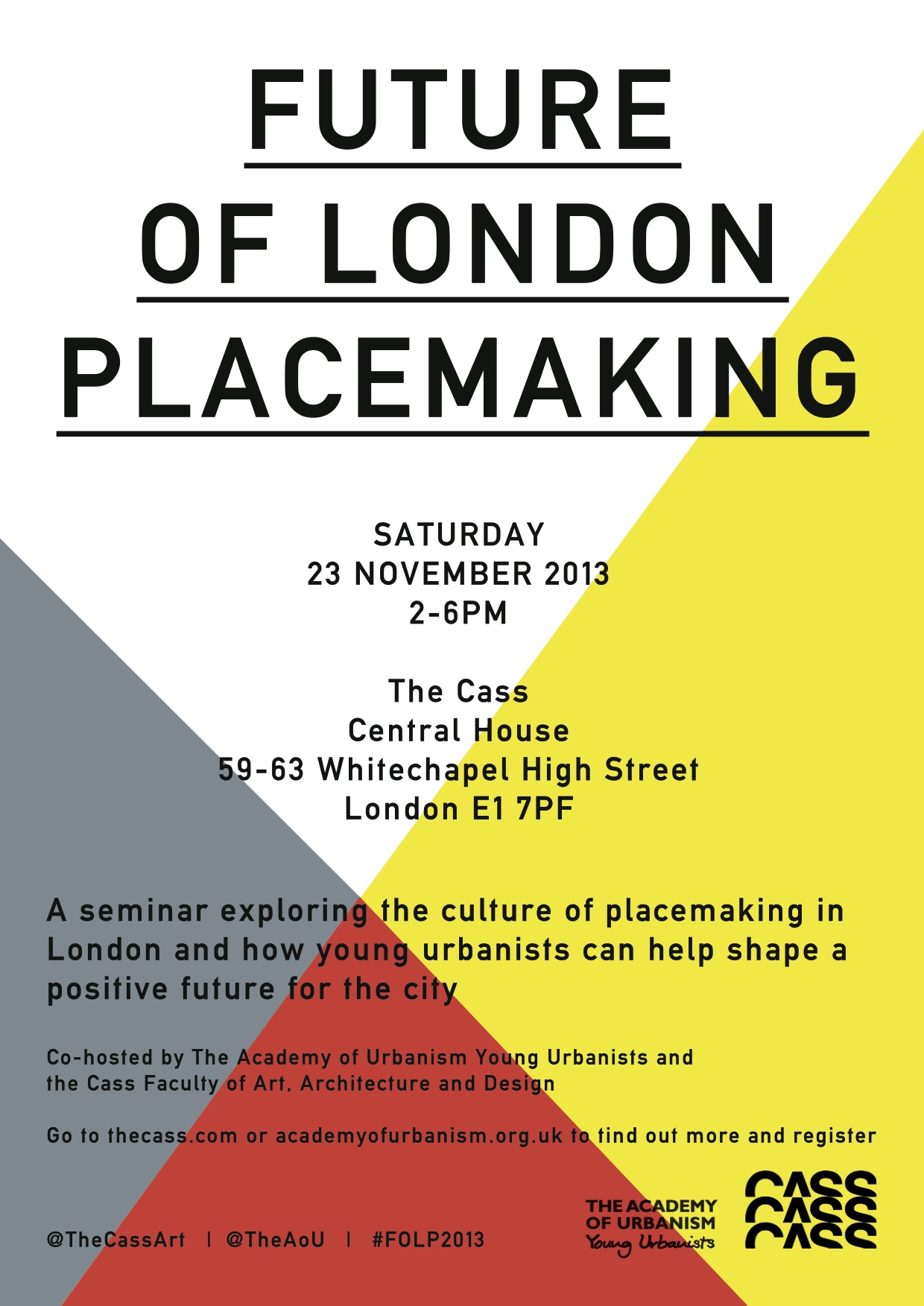
From my experience, the dominant narrative of planning for the future comes from fairly traditional sources and people who were saying very similar things 20 years ago. Where is the voice of the young? The generation with the innovative thinking to make positive change? It is with this in mind that I have helped partner The Academy of Urbanism Young Urbanists with The Cass Faculty of Art, Architecture and Design for an exciting event, Future of London Placemaking.

FOLP_Flyer

The seminar, on 23 November 2013, will explore the culture of placemaking in London and how young people can help shape a better future for the city. Combining speakers from young innovative practices with interactive workshops and sharing sessions, the event aims to give young emerging urbanists a stronger voice in the narrative of the city, collaboratively generating future ideas and forming a shared agenda for placemaking in London.

London has very specific challenges and opportunities. Certain engrained approaches to development and growth need to be re-assessed and shaped in to something more positive: making inclusive places for people, with benefits that go much further than financial concerns. Let’s get to it.

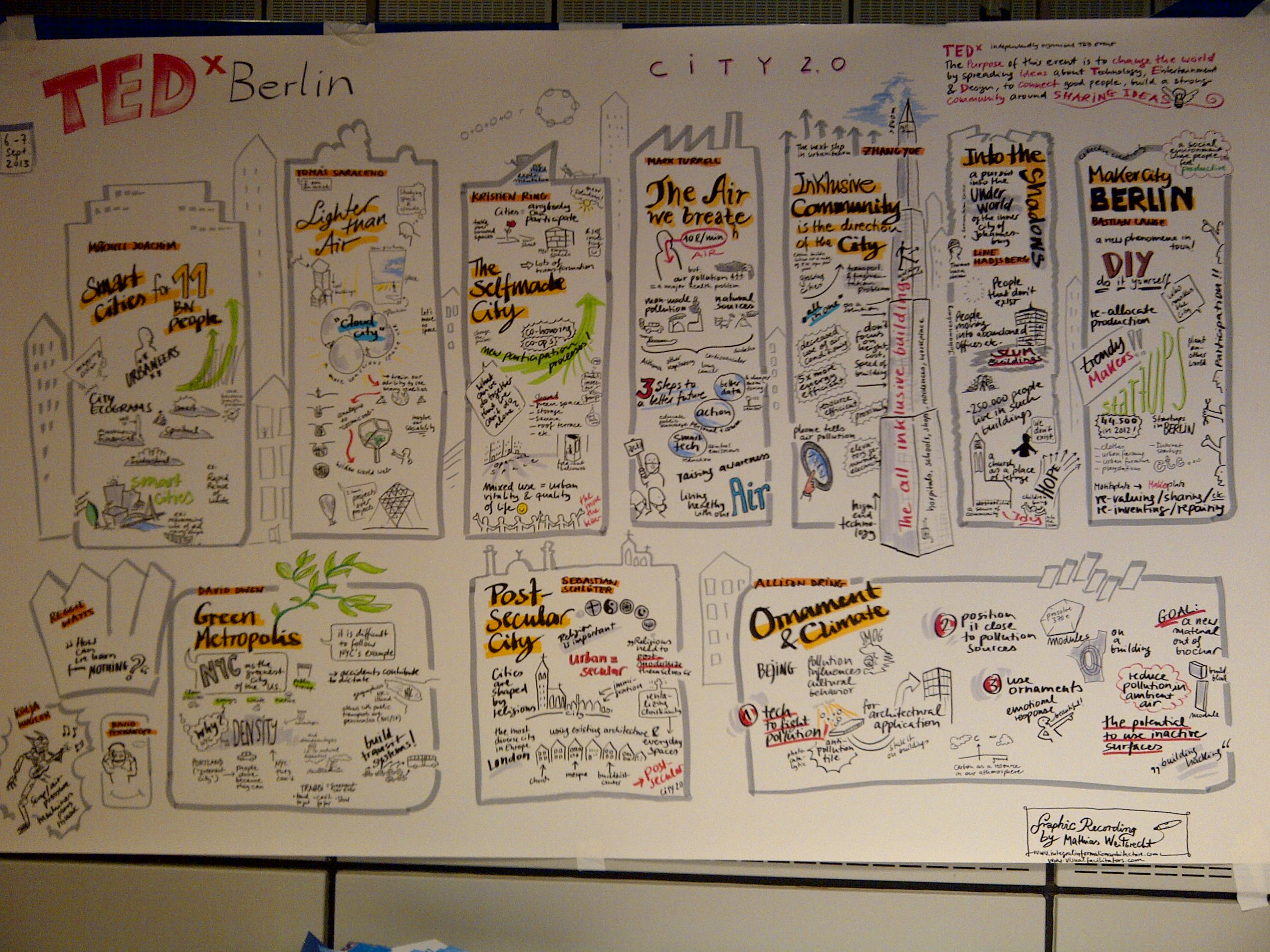
Planning for our urban future: TEDxBerlin City 2.0

by Francesca Perry

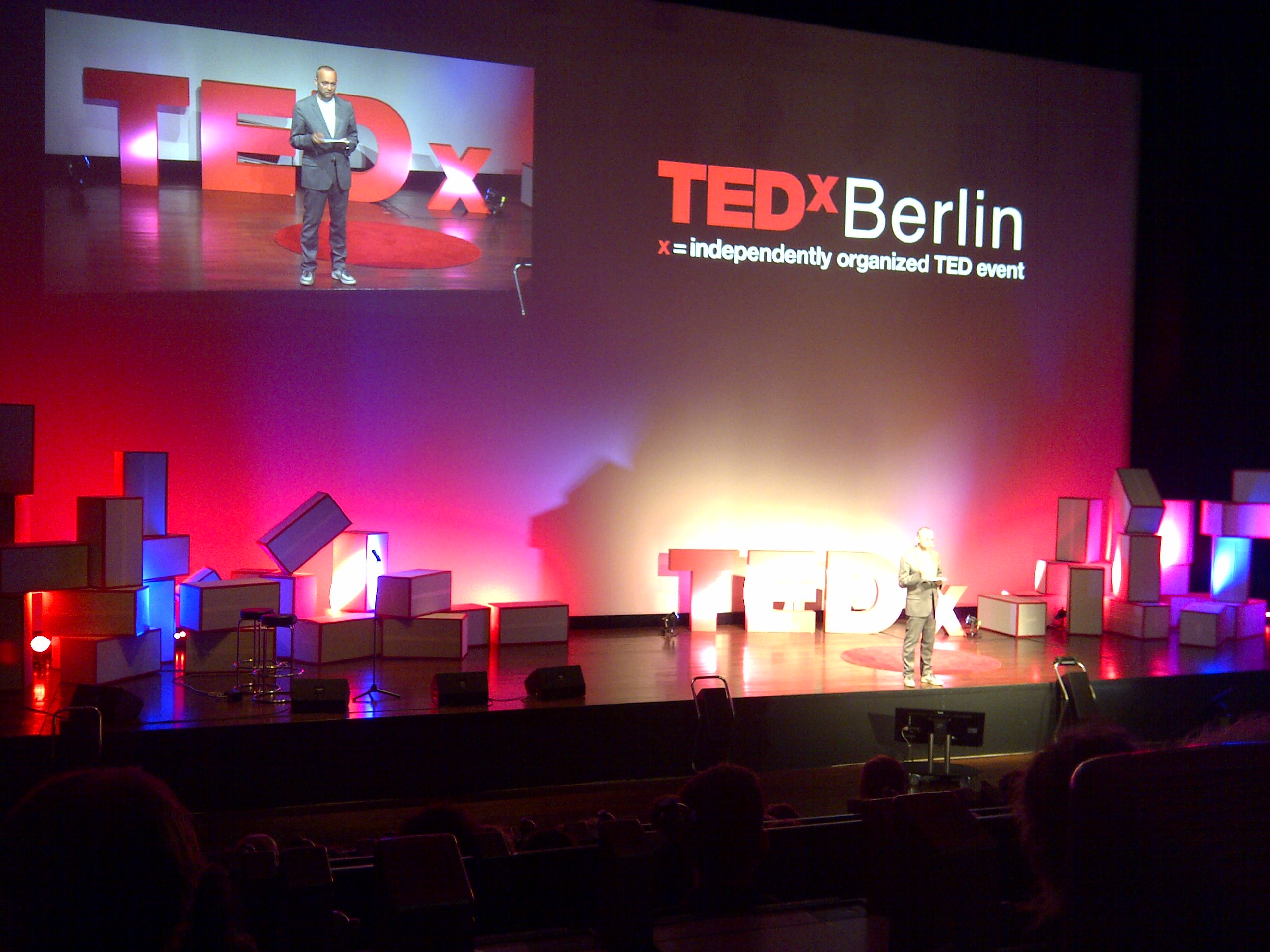
TEDxBerlin

From community gardens to a start-up culture, immense creativity and innovation, Berlin was the perfect place to hold the TEDxBerlin City 2.0 conference, to explore and look ahead to the future of cities worldwide.

The premise of the conference – a fact so well-known and overused today that it is difficult to comprehend its true significance – is that for the first time in history, just over half of the world’s population live in cities, and by 2050, this will rise to 70%. But it won’t be 70% of the current population. By then, billions and billions more people will inhabit the planet. So what do we do?

Talks given ranged from sharing stories of diverse urban citizens to exploring the science of sustainability. What I took from the conference is summarised below, under themes that I feel potently reflect the message of TED and City 2.0: interdependence; inclusivity; innovation.

Interdependence

This is a term that came up again and again, to highlight the vital and extensive connections between systems as well as people in the urban environment. We often forget what highly co-ordinated levels of interdependence go in to all aspects of city living. These are connections that should be nurtured and expanded for positive urban futures.

Whilst Marc Elsberg presented a potential risk of such interdependence (if one part of the system shuts down, it all does), others promoted the value of social interdependence particularly: this can be seen in the emerging ‘sharing economy’, discussed by Ariane Conrad. Through practices like co-operatives, crowdfunding, car-sharing, creative commons, open government and time banks we can move away from the recent self-centred or greedy economic system and start building more mutually beneficial connections through sharing. ‘The great hope of our sharing economy,’ Conrad summarised, ‘is that it will awaken our cities and turn us in to neighbours.’

The benefit of social interaction and interdependence was heralded as the solution to inherent urban stress. Mazda Adli believes providing opportunities for social contact and minimising social isolation are key to countering the negative effect of city living on mental health.

Berlin

Inclusivity

Inclusivity of course is implied in holistic interdependence. But I see this as a theme in itself because of the welcomed representation given through the conference’s talks to all members of urban society – including the illegal or ‘invisible’ citizens. Urban narratives can often dangerously dwell on the western, middle-class model. We must make every effort not to discount others (perhaps homeless, unregistered) from civic status – quite the opposite. The culture of treating people as invisible, as Conrad warned, spells disaster for the future of humanity. Socially, we coldly deny the existence of ‘others’; physically, we design-out ‘undesirables’ from a space. A far more inclusive approach needs to be adopted if we want our society and our cities to work.

These beneficial inclusive environments extend to our living and working spaces too – James Patten argued for the value of so-called ‘junk’, casting it as vital for creativity. A flexible and inclusive space, then, breeds flexible and inclusive ideas.

Inclusivity was also supported on the neighbourhood scale – in other words, to include a local community in urban change and ensure each voice is heard. Kai-Uwe Bergmann‘s example of Superkilen in Nørrebro showed how multiple local narratives and identities can be involved in the shaping of place. Here, a public park was made with the participation of a diversity of local residents, who brought together their stories and suggestions of street furniture and play equipment from different countries that reflected their individual and collective identities. Carlo Ratti also positioned ‘public participation 2.0’ – people engaged in improving and creating the city – as one of the five key points for a ‘senseable’ city.

Through becoming more inclusive with each other, as well as making processes of place more inclusive, cities can grow more positively and society can thrive.

TEDxBerlin

Innovation (for good)

A key part of planning for the city 2.0 – working to improve urban environments and life – is achieved through innovation, whether it be social, scientific or technical. Zhang Yue’s ‘Sky City‘ imagines a whole new model for a future city: one that is fully contained within a single tall building. Though it was heralded as an ‘inclusive’ ideal city, I can only imagine it becoming an exclusive surveilled fortress-like place where ‘undesirable’ activities and people (i.e. flexibility, variety, difference) are designed out.

But, back to good innovation. Allison Dring’s discussion of her practice’s air-purifying building facades (‘an architecture of building hacking’) felt like a step in the right direction of enhancing urban resilience – though, of course, the real action needs to take place at the root of the problem: the polluting cars themselves.

Tech innovation was shown to offer increased opportunities for civic engagement and participatory change through online/mobile platforms like Changify, which involves crowd sourcing, crowd solving and crowd funding ideas for positive change. Carlo Ratti, from the MIT Senseable City Lab, reflected on the way that new technologies can help improve the experience of cities and support new ways of living and more responsive space and place.

The narrative often came back to our host city, Berlin, as a model for social and technological urban innovation. As the ultimate ‘Makercity’, as Bastian Lange described, Berlin acts as an incubator to a collective creativity and grassroots urbanism: a community of makers co-producing a bottom-up urban landscape. Kristien Ring spoke of the guerrilla gardening, self-initiated housing, shared spaces and general self-made and green community in Berlin that helps strengthen neighbourhoods. This innovation requires a shift in established processes, to help support space and place which is user-focused and user-generated.

There was no grand conclusion as such, but together, the talks formed a collective inspiration to all those that can watch them to proactively support more sustainable, integrated urban places through collaborative, inclusive and innovative methods.

TEDxBerlin